Infrastructure as Code: Best Practices for Scalable Systems
Write maintainable, reusable, and secure IaC to scale your cloud infrastructure efficiently.
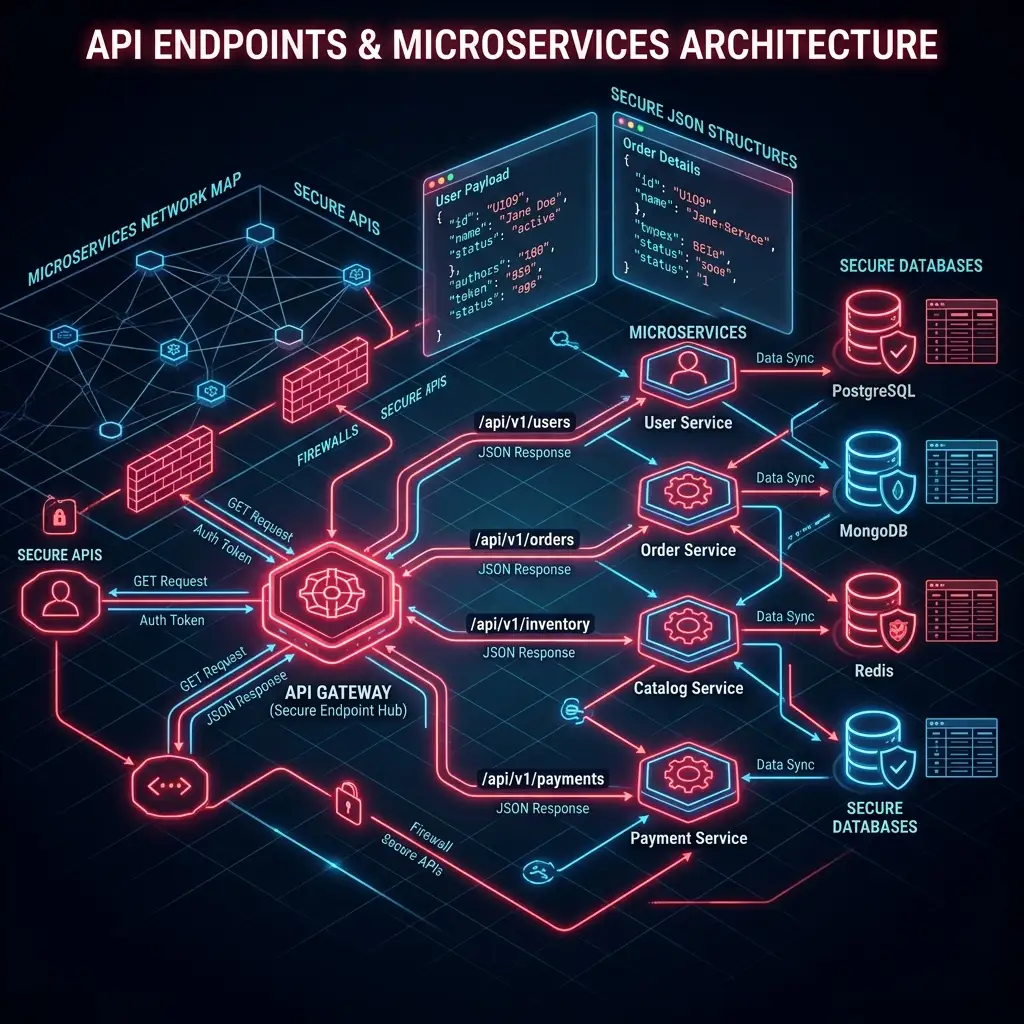
Introduction
Infrastructure as Code (IaC) has revolutionized operations, enabling developers to build, edit, and version cloud infrastructure using text files.
In this guide, we outline practices to ensure your IaC remains modular, secure, and fully aligned with system configurations.
Why Code-Defined Infrastructure is Essential
Manual server setups lead to configuration drift, where environments behave differently, causing production deployment bugs.
- Eliminating manual changes inside cloud management consoles.
- Replicating development, staging, and production environments instantly.
- Tracking configuration edits using git repository history logs.
“ If infrastructure is not defined in code, it does not exist in your staging environments. ”
The 4 Core Practices of Enterprise IaC
Structure your IaC repositories around these architectural standards.
Create isolated code modules for VPCs, database setups, and server clusters. Keep templates parameter-driven and reusable.
IAC TIP: Avoid hardcoding environment variables. Expose them as input properties in module files.
Store system state files in encrypted remote buckets (like AWS S3). Enforce write-locking (via DynamoDB) to avoid concurrent writes.
BEST PRACTICE: Isolate state files by environment to limit the impact of configuration errors.
Tools That Make a Difference
Use these declarative utilities to scale your cloud deployments.
Key Takeaways
Key Takeaways
- Create modular templates to reuse infrastructure components
- Secure state files in remote backends using dynamic write-locking
- Audit IaC scripts for public storage buckets or insecure port access
- Deploy infrastructure changes via pull requests using GitOps engines
Conclusion
Treating infrastructure with the same engineering rigor as application code reduces configuration drift and optimizes onboarding times.
Our SRE division can help you migrate manual cloud setups to Terraform templates. Speak with us to review your configurations.
Continue Reading
View All Posts Cloud / SRE
Cloud Cost Guardrails: Stop Runaway Spending
Implement proactive cost controls and prevent cloud bill surprises with these proven strategies.
 DevOps
Shift Security Left: A Practical DevSecOps Roadmap
Integrate security early in your CI/CD pipeline to build safer applications, faster.
Cloud / SREKubernetes Resource Optimization Cheat Sheet
Reduce waste and improve performance with these battle-tested Kubernetes tips.