Zero Trust Security Model: Key Principles Explained
Understand Zero Trust principles and how to implement them in your organization.

Introduction
Traditional firewalls are no longer sufficient to protect distributed cloud systems. Remote teams and multi-cloud configurations necessitate a shift to Zero Trust.
Zero Trust operates on a simple rule: Never Trust, Always Verify. Every request must be authenticated, authorized, and encrypted.
Why Perimeter Security is Obsolete
Once attackers breach network perimeters in traditional environments, they easily navigate laterally to extract sensitive customer data databases.
- Ransomware attacks lateral movement across internal servers.
- Credential theft rendering standard network passwords useless.
- Lack of logging details for internal network transactions.
“ Treat your internal corporate network with the same security caution as the public internet. ”
The 4 Main Pillars of Zero Trust
Structure your network interfaces around these security principles.
Require identity checks linked to runtime indicators like user network origin, time parameters, and current device patch states.
SECURITY TIP: Enforce conditional access policies that prompt for MFA during unusual logins.
Limit user and service accounts to the minimal scope of data cells and APIs required to execute current tasks. Block broad system access.
BEST PRACTICE: Configure Just-In-Time (JIT) access to grant admin permissions only when active tickets require them.
Tools That Make a Difference
Deploy these identity and encryption tools to harden systems.
Key Takeaways
Key Takeaways
- Shift security from network perimeter validation to continuous token validation
- Deploy multi-factor authentication bound to device health parameters
- Isolate internal applications via strict network micro-segmentation
- Establish mutual TLS (mTLS) encryption across all service-to-service calls
Conclusion
Zero Trust is a continuous system design methodology. By verifying every action, organizations block lateral security breaches from occurring.
Our security engineering division can help you structure zero-trust networks, integrate IAM, and patch database flows. Reach out to design your perimeter.
Continue Reading
View All Posts Cloud / SRE
Cloud Cost Guardrails: Stop Runaway Spending
Implement proactive cost controls and prevent cloud bill surprises with these proven strategies.
 DevOps
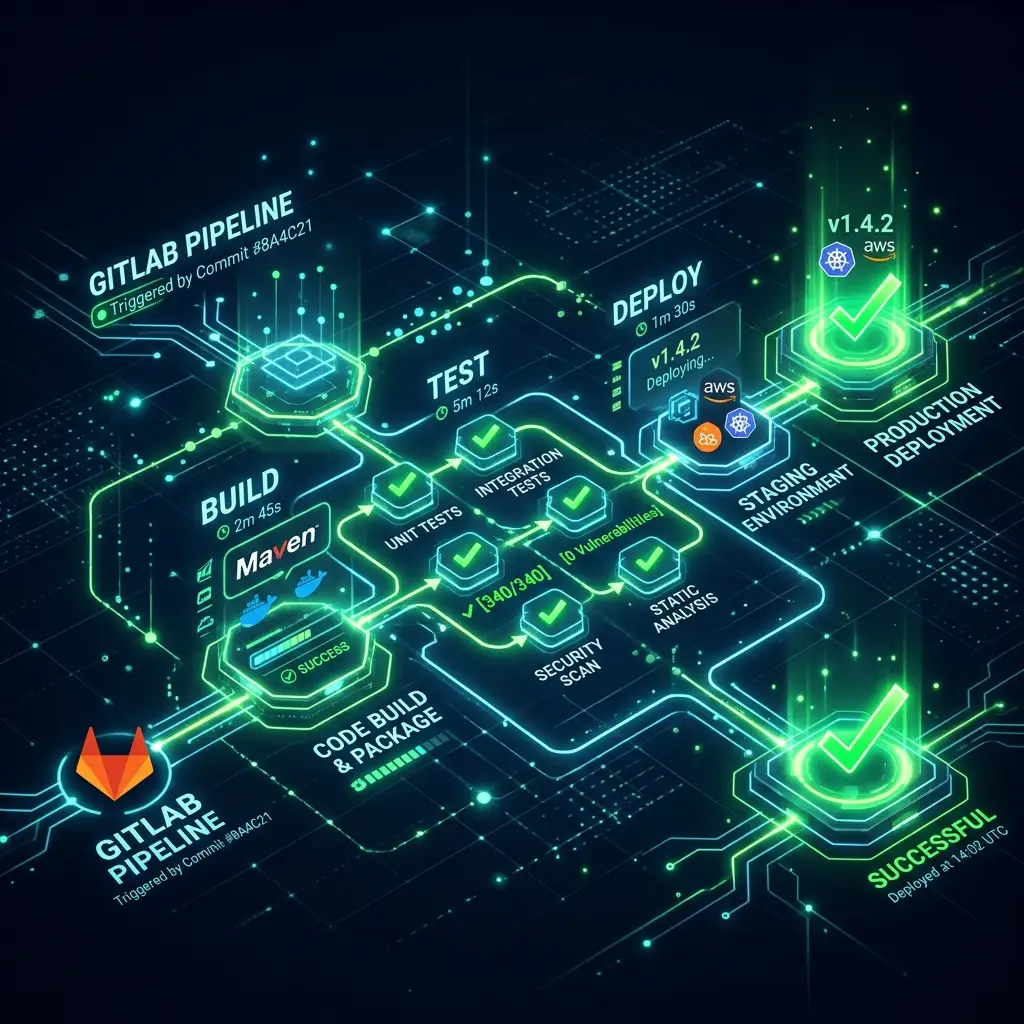
Shift Security Left: A Practical DevSecOps Roadmap
Integrate security early in your CI/CD pipeline to build safer applications, faster.
Cloud / SREKubernetes Resource Optimization Cheat Sheet
Reduce waste and improve performance with these battle-tested Kubernetes tips.