Shift Security Left: A Practical DevSecOps Roadmap
Integrate security early in your CI/CD pipeline to build safer applications, faster.
Introduction
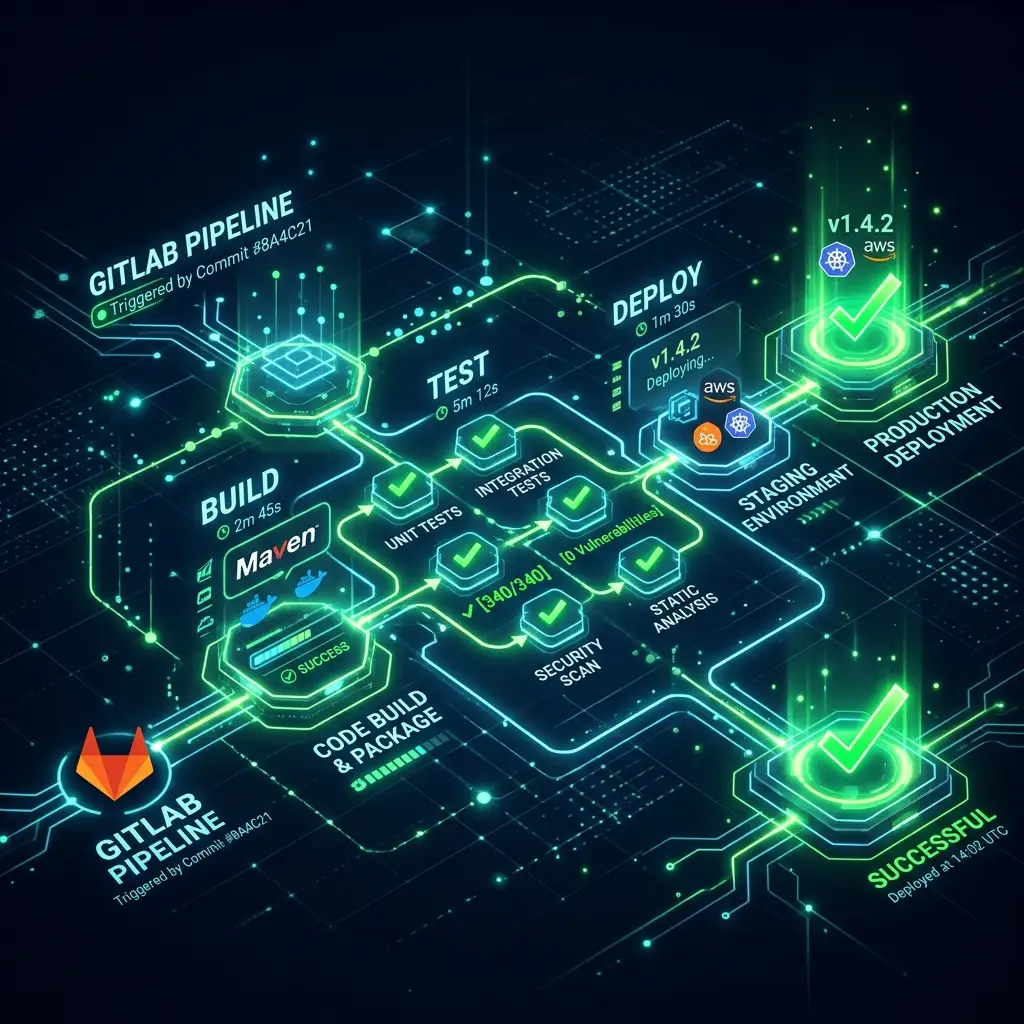
In traditional software development, security audits occurred at the very end of the release cycle. This approach frequently caused critical release delays when vulnerabilities were discovered late.
By shifting security left, developers address security issues early in the engineering lifecycle, saving time and preventing production security incidents.
What Shifting Security Left Actually Means
Shifting security left means moving security audits, vulnerability checks, and compliance scanning to the earliest phases of development—ideally directly inside developer workspaces and branch pipelines.
- Developers fix security flaws while actively writing code.
- Automated pipelines detect database secrets and access tokens before they are pushed to remote repositories.
- Vulnerabilities are caught early when they are easiest and cheapest to remediate.
“ Fixing security bugs in code design is 100 times cheaper than patching breaches in production. ”
The 4 Pillars of DevSecOps Pipeline Security
Configure these automated stages inside your release pipeline to implement a continuous security guardrail.
Perform static code scans on every commit. Scanners audit code syntax for vulnerabilities like hardcoded credentials, buffer overflows, and input validation gaps.
DEVELOPER TIP: Add pre-commit hooks (like Gitguardian or pre-commit) to prevent API key leaks locally.
Continuously scan third-party dependencies and npm/pip libraries for known CVE records. Enforce package upgrades automatically.
BEST PRACTICE: Configure automated dependency bots (like Renovate or Dependabot) to submit pull requests for minor security updates.
Tools That Make a Difference
Leverage industry-standard utilities to automate secure pipelines.
Key Takeaways
Key Takeaways
- Integrate scanning tools directly into pull requests
- Fail build pipelines when critical vulnerabilities are found
- Enforce automated dependency upgrades using security bots
- Scan container base images prior to registry publication
Conclusion
Shifting security left is as much a cultural change as a technological one. By integrating scanning directly into pull requests, divisions build high-performance, compliant systems naturally.
Our security architects specialize in designing automated pipelines and compliance check gates. Contact Privia to secure your release lifecycle.
Continue Reading
View All Posts Cloud / SRE
Cloud Cost Guardrails: Stop Runaway Spending
Implement proactive cost controls and prevent cloud bill surprises with these proven strategies.
Cloud / SREKubernetes Resource Optimization Cheat Sheet
Reduce waste and improve performance with these battle-tested Kubernetes tips.
 AI & Automation
AI-Powered Automation in DevOps: Use Cases That Deliver
Explore real-world use cases where AI enhances automation and accelerates delivery.