Kubernetes Resource Optimization Cheat Sheet
Reduce waste and improve performance with these battle-tested Kubernetes tips.
Introduction
Deploying applications on Kubernetes is simple, but optimizing their resource utilization inside cloud environments is a major engineering hurdle.
This guide shares core rules and configurations to eliminate over-provisioning waste while maintaining app uptime.
Why Kubernetes Waste Accumulates
Without sizing analytics, developers over-allocate requests to avoid container crashes, causing nodes to run under capacity while incurring billing charges.
- Setting excessive requests relative to actual workloads.
- Omitting container limits, allowing resource leaks to degrade neighboring nodes.
- Over-provisioning staging environments that remain idle outside working hours.
“ Over-provisioning is a lazy substitute for proper cluster profiling and autoscaling configurations. ”
The 5 Optimization Rules for K8s Clusters
Implement these rules inside your deployment manifests to achieve highly efficient orchestrations.
Requests dictate scheduling. Set requests based on average node CPU/Memory usage under standard loads.
K8S INSIGHT: Over-allocated requests prevent pods from scheduling due to artificial resource limits.
Enforce CPU limits and Memory limits to keep rogue containers from consuming shared host memory, avoiding node system crashes.
BEST PRACTICE: Configure memory limits slightly above peak workloads to prevent OOM termination.
Tools That Make a Difference
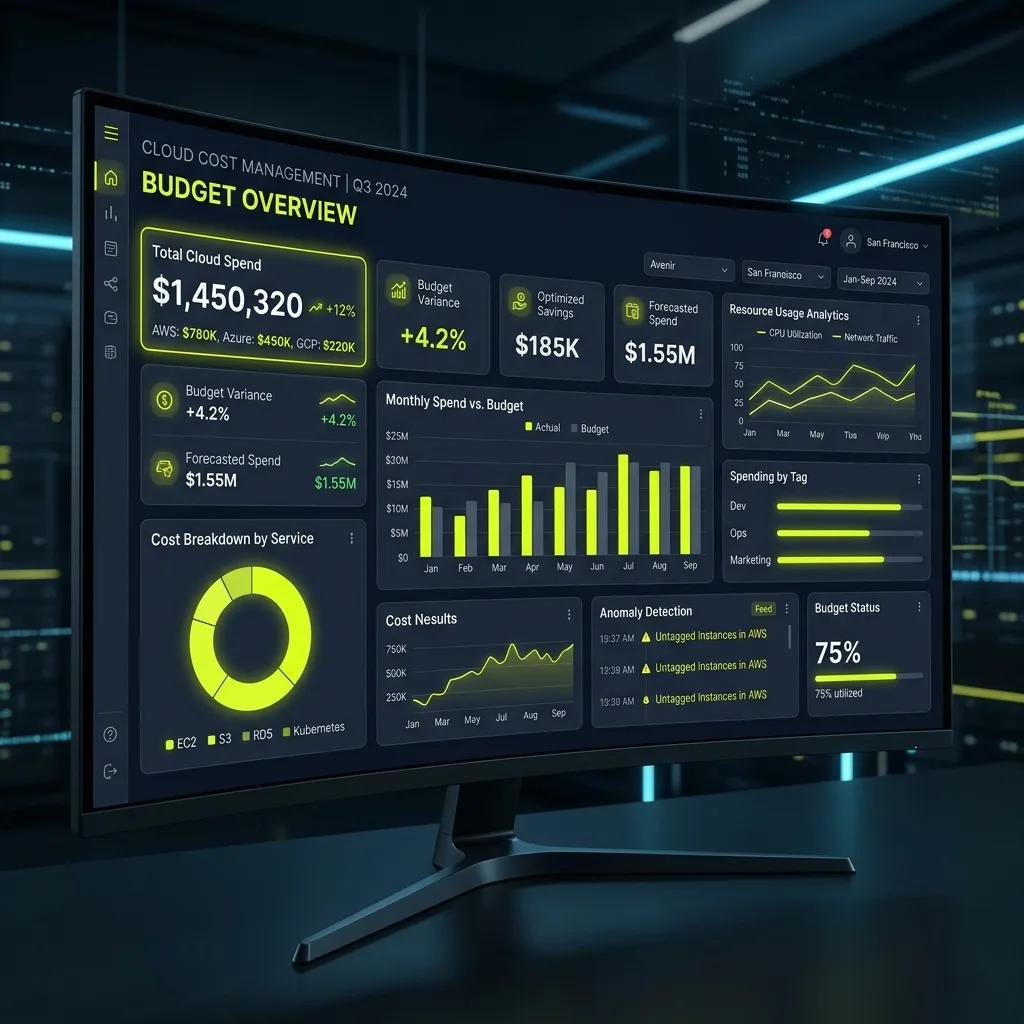
Configure these tools to audit container resource spend.
Key Takeaways
Key Takeaways
- Set limits to prevent pods from causing host system OOM panics
- Configure Cluster Autoscalers to scale down nodes during low traffic
- Rightsize resources based on VPA historical utilization metrics
- Utilize HPA autoscaling driven by active request counts
Conclusion
Optimizing Kubernetes resource configurations reduces container budgets by up to 40% while ensuring predictable node performance under peak user demands.
Our SRE division can help you profile your pods, establish VPAs, and integrate Kubecost analytics. Contact us for cluster auditing.
Continue Reading
View All PostsCloud / SRECloud Cost Guardrails: Stop Runaway Spending
Implement proactive cost controls and prevent cloud bill surprises with these proven strategies.
 DevOps
Shift Security Left: A Practical DevSecOps Roadmap
Integrate security early in your CI/CD pipeline to build safer applications, faster.
 AI & Automation
AI-Powered Automation in DevOps: Use Cases That Deliver
Explore real-world use cases where AI enhances automation and accelerates delivery.