Building Resilient Omni-Channel E-Commerce Platforms
Design seamless, scalable, and high-availability platforms for modern retail experiences.

Introduction
Omni-channel retail requires maintaining stock levels, user histories, and payment processing configurations across digital web applications and physical registers.
In this guide, we outline strategies to decouple processing flows, optimize system latency, and design resilient checkout routes.
Challenges of Real-Time Retail Scale
During seasonal sales events, database write locks degrade system responses, causing cart drop-outs and payment transaction failures.
- Inventory stock-out conflicts when offline registers compete with online carts.
- Latency spikes during cart updates due to slow SQL relational joins.
- Payment gateway dropouts causing lost sales revenues.
“ A resilient checkout should never wait on backend inventory lookups to validate user payments. ”
The 4 Pillars of Resilient eCommerce Architectures
Structure your headless commerce platforms around these architectural rules.
Use event brokers (like Kafka) to ingest checkout events asynchronously. Separate the front-end checkout button from the backend ledger calculations.
RETAIL TIP: Queue order requests in brokers to protect backend datastores from sudden spikes.
Cache database outputs (like inventory listings or user settings) inside Redis caches to cut read call times to milliseconds.
BEST PRACTICE: Use cache invalidation policies to keep product listing details accurate.
Tools That Make a Difference
Leverage these industry tools to build scalable, high-availability online stores.
Key Takeaways
Key Takeaways
- Decouple checkout steps from inventory processing via message queues
- Cache products and carts inside Redis for sub-10ms read operations
- Use write-behind database strategies to protect main datastores during traffic spikes
- Establish automated fallback paths for billing and payment processors
Conclusion
Decoupling critical checkout sequences ensures your store remains operational during peak shopping surges, protecting ARR.
Privia engineers build headless commerce platforms and integrate POS systems. Contact us to audit your retail stack.
Continue Reading
View All Posts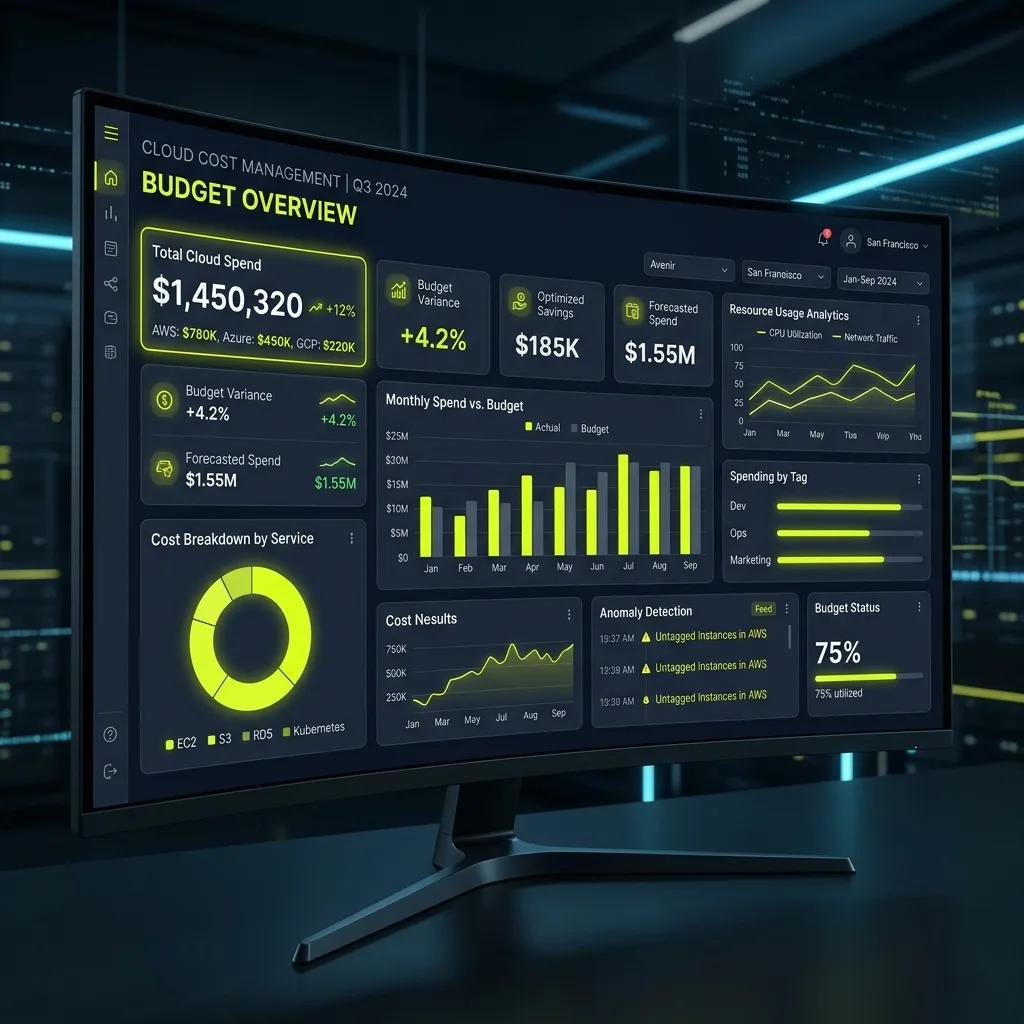 Cloud / SRE
Cloud Cost Guardrails: Stop Runaway Spending
Implement proactive cost controls and prevent cloud bill surprises with these proven strategies.
 DevOps
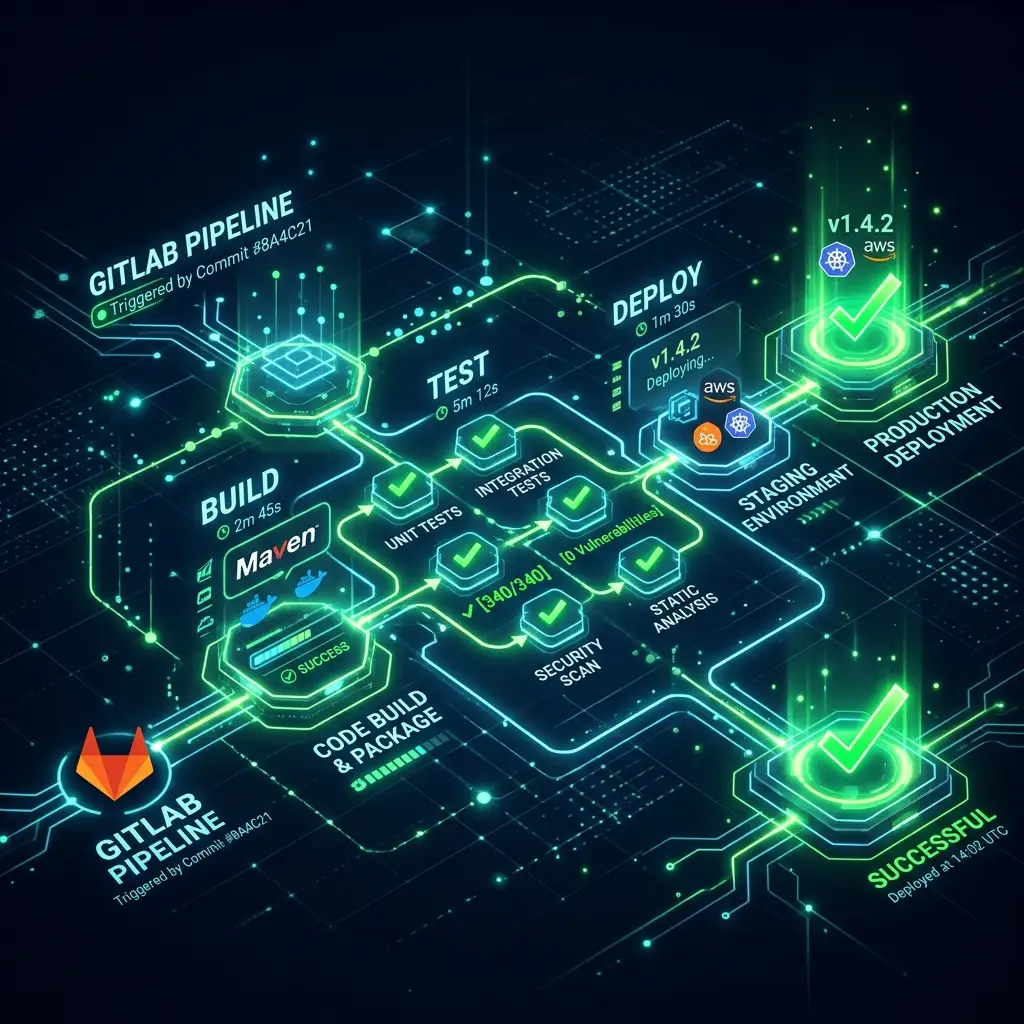
Shift Security Left: A Practical DevSecOps Roadmap
Integrate security early in your CI/CD pipeline to build safer applications, faster.
Cloud / SREKubernetes Resource Optimization Cheat Sheet
Reduce waste and improve performance with these battle-tested Kubernetes tips.